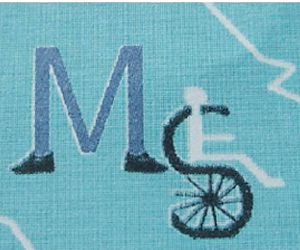
What is Multiple Sclerosis (MS) ?
MS is an
autoimmune
condition which is diagnosed
in the 20 – 40 year age group.

In MULTIPLE SCLEROSIS (MS) the protective layer around the nerve fibers, which convey messages to all parts of our body, gets damaged and the messages get disrupted.
The body’s own immune system mistakenly attacks and damagers the nerve fibers.
MS is usually diagnosed when people are in the age group 20 to 40 years. Women are more likely to get MS than men. In rare cases children could also get it.
This causes the nerve to be exposed and messages from the brain does not go to other parts of the body are not conveyed efficiently.
Symptoms of Multipe Sclerosis
There are many symptoms of MS. They can appear from time to time and be of different severity. The symptoms also depend on which part of your brain or spinal cord is affected. There are emotional and psychological symptoms as well where they experience anxiety and depression when symptoms worsens or keep changing.
The most common symptoms of Multiple sclerosis are fatigue, pain and dizziness/balance.
Symptoms could remain with you for a few days or few months. Managing the Symptoms is important to lead a normal life.
Fatigue

MS fatigue saps energy from body and is debilitating and may take a long time to recover. It could also affect balance.
Pain

MS pain is more sever than ordinary pain and is a common symptom of MS. Pain can affect the daily life of a person with MS.
Balance

Unsteadiness as well as uncoordinated movements surface depending on the damaged area of the brain.

Multiple Sclerosis Association of Lanka.
The Multiple Sclerosis Association of Lanka (MSAL) is a support group for people with MS who live in Sri Lanka. It was set up with the aim of improving the lives of people living with MS. MSAL also create awareness of MS in Sri Lanka.
Types of Multiple Sclerosis
Relapsing-Remitting
This is when there is either a symptoms flare up, a new symptom appears, or when there is an increase in the existing symptoms from a few days upto a month and thereafter is symptom free for a long period.
Secondary Progressive
This is the second phase of MS. There will be a slow and steady progression of symptoms and relapses could happen years later. Symptoms could worsen over time. Relapses will not be fully blown.
Primary Progressive
From the start the symptoms get steadily worse and disability happens soon. In this type of MS diagnosis is hard to diagnose since the symptoms are subtle at the beginning and it does not be visible for a long period of time. MRI scan is inconclusive. This type of MS is rare
My heading is awesome
Coping with Multiple Sclerosis
As MS progresses in your body, there could be different symptoms which could come up from time to time and they may leave you in a short time period. Some symptoms could go on for a longer period. Since there is no cure, there are many ways to manage the symptoms. Life style changes will have to be done in order to live a full and active life. Our byline says it all “Getting MoSt out of life”.
Although there is no cure, there are many ways to manage the symptoms. Life style changers may have to be done in order to lead a full and active life.

contact information